Exploring the Role of CNC Technology in Hydraulic Component Manufacturing
The Importance of CNC Technology in Hydraulic Component Manufacturing
Understanding CNC Machining and Its Applications
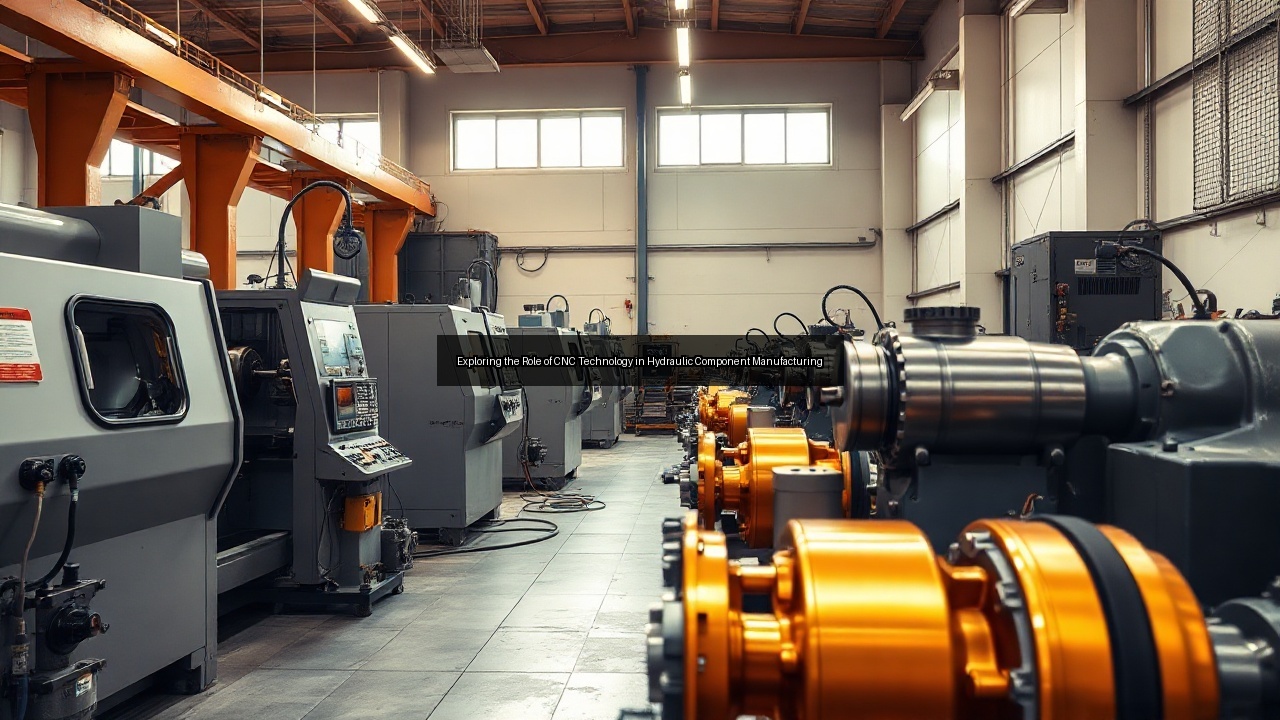
CNC (Computer Numerical Control) machining revolutionizes hydraulic component manufacturing by automating the machining process. This technology uses computerized controls to operate machinery, allowing for precise cuts and shapes on various materials, including metals and plastics. Hydraulic component machining relies heavily on CNC machines to produce intricate components such as pistons, spools, and forgings. By utilizing CNC technology, manufacturers can achieve complex geometries that meet the rigorous demands of hydraulic systems. The automation improves consistency, reduces human error, and enhances overall production efficiency.
Benefits of CNC in Hydraulic Systems Production
The integration of CNC technology in hydraulic systems production offers several key benefits. First, CNC machining significantly enhances precision, allowing manufacturers to meet stringent tolerances required for effective fluid dynamics. The ability to create parts that fit together seamlessly is vital in hydraulic equipment, where even minor discrepancies can lead to system failures. Additionally, CNC machining reduces lead times, enabling faster turnaround for custom hydraulic components. This efficiency is crucial in industries like aerospace and automotive, where downtime can be costly. Moreover, CNC machines can operate continuously, boosting productivity and reducing labor costs in the manufacturing process.
Key CNC Technologies in Hydraulic Component Machining
Several key CNC technologies drive the advancement of hydraulic component machining. CNC lathes, for instance, excel in producing cylindrical parts, making them ideal for crafting pistons and shafts. CNC milling machines provide flexibility for creating complex shapes and features on machined components. Advanced technologies, such as multi-axis CNC machining, allow for the machining of intricate designs in a single setup, reducing the need for multiple operations. Additionally, CNC grinding machines ensure superior surface finishes, which enhance the performance and longevity of hydraulic components. These technologies collectively optimize the manufacturing process and ensure that hydraulic components meet high standards of quality and reliability.
Precision and Tolerances in Hydraulic Component Machining
Achieving High Tolerances in Machined Components
High tolerances are essential in hydraulic component machining to ensure compatibility and performance within hydraulic systems. Manufacturers focus on achieving tolerances often measured in micrometers, as even the slightest deviation can affect the system's efficiency and reliability. CNC technology plays a significant role in maintaining these tight tolerances by automating the machining process. The precision of CNC machines allows for consistent replication of parts, ensuring that each component meets the required specifications. Additionally, advanced measuring techniques, such as coordinate measuring machines (CMM), verify the accuracy of machined components, providing confidence in the quality of the final product.
The Role of Tool Steels in Ensuring Quality
Tool steels are critical in hydraulic component machining due to their durability and resistance to wear. These materials can withstand the intense conditions of machining operations while maintaining their structural integrity. The selection of appropriate tool steels directly impacts the quality of machined components. Manufacturers often choose high-speed steel or carbide tools for CNC machining processes, as these materials provide excellent edge retention and heat resistance. Ensuring the right tooling not only enhances machining efficiency but also contributes to achieving the high tolerances necessary for hydraulic components. This focus on quality in tool selection underpins the overall success of hydraulic component manufacturing.
Quality Assurance Standards: ISO 9001 in Hydraulic Manufacturing
Quality assurance standards, such as ISO 9001, play a crucial role in hydraulic component manufacturing. Compliance with ISO 9001 ensures that manufacturers maintain consistent quality throughout their processes. This international standard outlines requirements for a quality management system that focuses on customer satisfaction and continuous improvement. By adhering to these standards, manufacturers can provide hydraulic components that meet stringent specifications and performance criteria. Regular audits and assessments help identify areas for improvement, fostering a culture of quality and reliability. Ultimately, ISO 9001 certification enhances the reputation of manufacturers in the competitive hydraulic equipment market.
Materials Used in Hydraulic Component Manufacturing
Exploring Machinability of Metals and Plastics
The choice of materials in hydraulic component manufacturing significantly influences the performance and longevity of the components. Metals such as aluminum, steel, and brass are commonly used due to their strength, machinability, and ability to withstand high pressures. Aluminum alloys, for instance, offer excellent machinability and lightweight properties, making them ideal for aerospace applications. On the other hand, plastics like PTFE provide excellent chemical resistance, making them suitable for specific hydraulic applications. Understanding the machinability of these materials allows manufacturers to select the right one for each component, ensuring optimal performance in various hydraulic systems.
The Significance of Corrosion-Resistant Materials
Corrosion resistance is a critical factor in the selection of materials for hydraulic components, especially in applications exposed to harsh environments. Corrosion can compromise the integrity of hydraulic equipment, leading to failures and costly downtime. Manufacturers often turn to corrosion-resistant materials such as stainless steel and specialized coatings to combat this issue. These materials not only enhance the lifespan of hydraulic components but also ensure consistent performance in fluid dynamics. By prioritizing corrosion resistance, manufacturers can deliver reliable hydraulic components that meet the demands of industries like agriculture, marine, and construction.
Innovations in Tooling: From PTFE to Advanced Alloys
Innovation in tooling continues to drive advancements in hydraulic component manufacturing. The introduction of materials such as PTFE enhances the ability to create components that resist wear and chemical degradation. Advanced alloys combine the best properties of various metals, offering strength, machinability, and corrosion resistance. These innovations in tooling not only improve the performance of hydraulic components but also expand the range of applications for which they can be used. As technologies evolve, manufacturers must stay ahead of the curve, adopting new materials and tooling strategies that enhance the quality and efficiency of hydraulic component machining.
Efficiency and Automation in CNC Machining Centers
How Automated CNC Lathe Machines Enhance Production
Automated CNC lathe machines play a pivotal role in enhancing production efficiency in hydraulic component manufacturing. These machines can operate continuously, producing high volumes of precision parts without the need for constant human oversight. The automation of CNC lathes reduces the risk of errors and ensures consistent quality across all machined components. Additionally, advancements in software and control systems allow for real-time monitoring and adjustments during the machining process, further optimizing production. This increased efficiency translates to lower manufacturing costs and faster delivery times, which is essential in meeting the demands of industries reliant on hydraulic equipment.
Reducing Waste in Hydraulic Component Manufacturing
Reducing waste is a crucial aspect of efficient hydraulic component manufacturing. CNC machining significantly minimizes material waste by employing precise cutting techniques that maximize the use of raw materials. Manufacturers can utilize advanced simulation software to plan machining operations, ensuring optimal material usage and reducing scrap. Moreover, CNC machines can operate with minimal downtime, further enhancing efficiency. By focusing on waste reduction, manufacturers not only improve their bottom line but also contribute to sustainable practices within the industry. This commitment to efficiency resonates well with customers who are increasingly prioritizing environmentally responsible manufacturing processes.
Case Studies: CNC Machining in Aerospace and Automotive Industries
Case studies from the aerospace and automotive industries highlight the transformative impact of CNC machining on hydraulic component manufacturing. In aerospace, manufacturers utilize CNC technology to create complex hydraulic components that must meet stringent safety and performance standards. The precision achieved through CNC machining enables the production of parts that operate reliably under extreme conditions. Similarly, the automotive industry benefits from CNC machining by producing high-quality hydraulic components that enhance vehicle performance and safety. These case studies illustrate how CNC technology not only improves manufacturing efficiency but also elevates the quality standards of hydraulic components across various sectors.